Table of contents
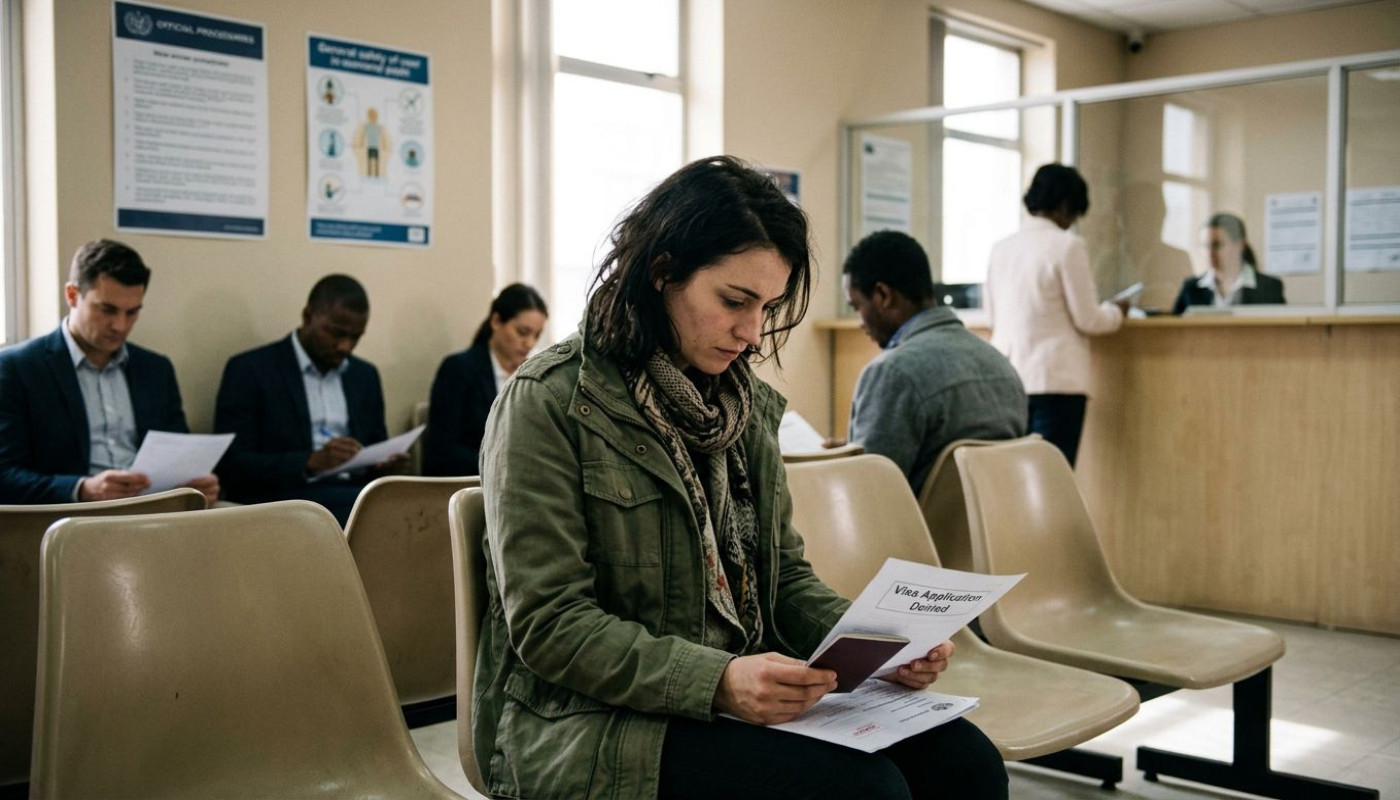
One email, one stamped form, one quiet “no”, and suddenly a career move, a degree abroad, or a family reunion collapses, not because of a lack of merit but because a file did not satisfy a rule, a quota, or an officer’s interpretation. In recent years, governments have tightened screening, airlines have grown stricter at check-in, and applicants have faced longer waits, higher fees, and more opaque refusals. Visa denial has become a defining stress test of modern mobility, and it is reshaping how people plan their futures overseas.
Denied for “doubt”: the grey zone expands
“Insufficient ties”, “purpose not credible”, “risk of overstay”, and other formulaic phrases appear on refusal letters around the world, and they often translate into a single reality for applicants: the decision rests on a grey zone where discretion is wide and accountability is thin. In many systems, the threshold is not proof beyond doubt but an officer’s confidence that you will leave on time, follow the permitted activity, and match the story your documents tell, and that confidence can be undermined by small inconsistencies, gaps in travel history, cash-based income, or even a poorly explained itinerary.
Data points underline why this uncertainty feels structural rather than anecdotal. In the United States, the State Department’s nonimmigrant visa statistics show that refusal rates can swing sharply by category and nationality, and in some years visitor visa refusals have been high for many countries; in the European context, Schengen reporting has repeatedly highlighted that refusal rates vary widely between consulates and member states, even when applicants are seeking access to the same border-free area. That variation matters because it signals that outcomes are shaped not only by eligibility, but also by local workload, documentation culture, fraud concerns, and the subtle incentives created by political pressure to appear “tough”. For the applicant, the experience is paradoxical: the rules are written, yet the result can still feel like a judgement call.
And the costs of that call are rarely limited to the application fee. A refusal can mean lost deposits for flights and accommodation, delayed enrolment dates, missed conferences, and in some cases job offers that are time-bound, and while some jurisdictions allow appeals or administrative review, many routes are slow, technical, and expensive. Even when reapplication is possible, a previous refusal can raise the burden of persuasion, because the file now needs to show what changed, and why the earlier concern no longer applies, without contradicting the earlier narrative. The bureaucracy is not just deciding who gets in; it is deciding who can plan.
The hidden price tag of a refusal
Visa denial is often discussed as an emotional blow, but its economic footprint is easier to underestimate and harder to recover from. The immediate bill can include non-refundable appointment fees, translation and notarisation costs, courier charges, and last-minute legal advice; then come the opportunity costs, which can dwarf the paperwork. A student who misses an intake may lose a scholarship window, pay higher tuition the following term, or be forced to defer housing contracts, and a professional who cannot travel may see a project reassigned or a promotion delayed, particularly in sectors where international presence is part of the job description.
There is also a broader, measurable macro-effect. Destination countries that rely on visitors, students, and business travel depend on predictable access, and when refusal rates rise or processing becomes erratic, demand can shift to competitor destinations with smoother entry. Higher education bodies have repeatedly warned that visa friction affects enrolment decisions, because students plan years ahead and dislike uncertainty; similarly, business associations have long argued that unpredictable entry rules discourage investment trips and conference attendance. The burden is not evenly distributed either: applicants from lower-income countries face higher relative costs because proof requirements often reward stable salaried employment, formal property ownership, and long banking histories, markers that are not equally accessible.
For families, the price is social and psychological, and it shows up in missed milestones: weddings, funerals, births, and caregiving responsibilities that cannot be postponed to the next available appointment slot. The denial letter may be short, but the ripple effects last. This is why an emerging industry has grown around “risk reduction”: travel compliance consultancies, document coaching, and legal representation, and while legitimate guidance can improve clarity and reduce errors, it also illustrates an uncomfortable truth, namely that mobility increasingly requires literacy in administrative storytelling. The ability to translate a life into the format an officer expects can be as decisive as the life itself.
Mobility strategies are changing fast
When the traditional route becomes unpredictable, people adapt, and the adaptation is now visible in the way globally mobile individuals structure careers, assets, and even residence. More applicants build “travel resilience” by choosing destinations with clearer pathways, maintaining stronger documentation trails, and planning longer lead times, and some pursue regional mobility first, using nearby countries to build travel history before attempting more restrictive jurisdictions. Others seek visas that match their profile more precisely, moving away from broad “tourism” narratives and toward business, study, or family categories that can be documented with firmer evidence.
Another trend is the growing attention to passport strength and visa-free access, not as a status symbol but as an operational tool. In a world of short-notice meetings, cross-border teams, and health or family emergencies, the difference between needing a consular appointment and boarding a flight can decide whether an opportunity is seized or lost. That is why readers increasingly compare mobility options and entry requirements across regions, including the practical list of Vanuatu passport visa-free countries, which illustrates how certain travel documents can reduce friction for specific itineraries, even if they do not eliminate the need for visas everywhere.
Yet mobility strategies are also shaped by the tightening of enforcement at the last mile. Airlines face penalties for transporting passengers without proper documents, which means check-in staff often apply rules conservatively, and electronic travel authorisations, where they exist, can be refused without detailed explanation. Meanwhile, geopolitical shifts can trigger sudden changes: a country may suspend visa-waiver privileges, impose new screening, or reduce appointment capacity, and the change can arrive faster than applicants can adjust. The practical consequence is a planning culture that looks more like risk management: diversify options, document everything, keep timelines realistic, and assume that a “simple trip” may require a dossier.
What actually helps when you reapply
There is no universal remedy for visa refusal, but patterns emerge from the cases that succeed on a second attempt. First, clarity beats volume. A thicker file is not always a stronger file, because contradictions and irrelevant documents can create doubt; a coherent narrative with evidence that directly supports the purpose of travel, the itinerary, funding, and the intention to respect the rules is more persuasive. If the refusal cited ties to home, applicants often do better when they can show stable employment terms, a clear leave approval, ongoing studies, caregiving responsibilities, or contractual obligations, and when those ties are documented in a way that is easy to verify.
Second, address the refusal reasons head-on, and do it in plain language. If a consulate questioned funding, bank statements alone may not suffice without an explanation of income sources, recurring expenses, and any large deposits; if the purpose was doubted, a detailed schedule, invitations, and proof of prior professional links can help, provided they are consistent. Third, timing matters. Reapplying immediately with the same facts can lead to the same outcome, whereas waiting until a material change occurs, a new job, a higher balance built over time, a stronger travel history, a corrected document, can shift the assessment.
Finally, applicants should treat the process like compliance, not persuasion. Avoid exaggerations, do not improvise employment histories, and do not present “template” letters that officers recognise instantly. Where appeals exist, professional advice may be worth it, but only if it is grounded in the actual refusal grounds and the legal framework, not in promises of guaranteed approvals. The hardest lesson is also the most practical: a visa is rarely a referendum on personal worth; it is a risk decision made under constraints, and the best response is to reduce ambiguity, increase verifiability, and plan for contingencies so a single administrative decision cannot derail an entire future abroad.
Planning your next attempt, realistically
Before booking anything, build a buffer: allow weeks or months for appointments, prepare a document budget for translations and notarisation, and consider refundable tickets and flexible accommodation where possible. Check whether fee waivers, student concessions, or expedited routes exist, and when they do, apply early because quotas fill quickly. If a refusal happens, request the written reasons where available, keep your file organised, and map a reapplication timeline around tangible changes rather than hope.
On the same subject

What Happens When Legality Meets Lived Reality For New Citizens?

Exploring The Unique Charm Of Paris's 13th Arrondissement
